
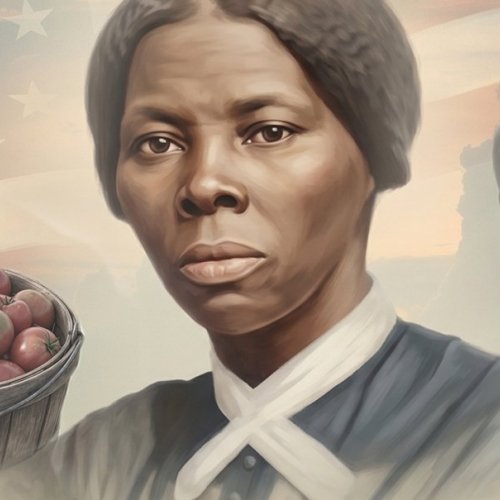
As America prepares to mark 250 years, Dorchester County offers a meaningful place to explore the people, landscapes, and everyday work that helped shape the nation.
This year, many of us are thinking about the big themes of American history: freedom and independence, conflict and courage, labor and innovation, civil rights and community. In Dorchester County, those stories are not distant or abstract. They are tied to real places — marshes and rivers, working waterfronts, family farms, historic streets, churches, factories, museums, and small towns.
That’s why the local America 250 theme, “Dorchester’s story is America’s story,” feels especially fitting. Here on Maryland’s Eastern Shore, you can explore stories that connect directly to the larger American experience: the fight for freedom, the work of feeding a nation, the importance of waterways and maritime traditions, the complexities of the Civil War, and the continuing struggle for civil rights.
This history is not only something to read about. It is something you can experience — by walking through Cambridge, following the Harriet Tubman Byway, visiting museums and historic sites, getting out on the water, and seeing how the past still shapes life in Dorchester today.
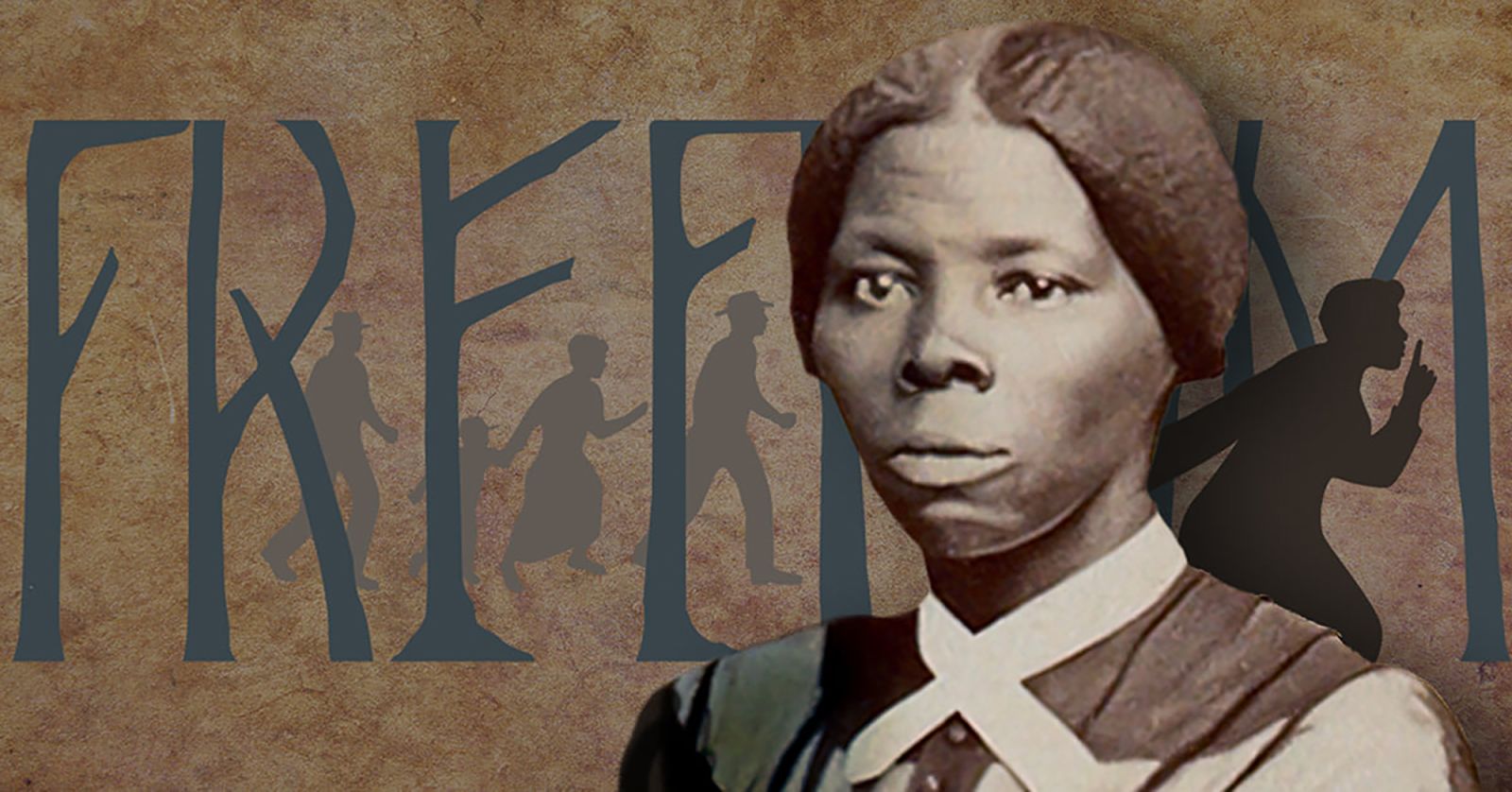
Freedom began here — and returned here
No story connects Dorchester County more deeply to the national story than that of Harriet Tubman.
Born Araminta Ross in Dorchester County in 1822, Tubman was born into slavery on Maryland’s Eastern Shore. But her connection to this place is not simply a matter of birthplace. Dorchester was where her family lived. It was where she was separated from loved ones, where she labored as a child and young woman, and where she learned the landscape that would later help her lead others to freedom.
The marshes, forests, fields, and waterways of Dorchester County helped shape Tubman’s knowledge of the natural world. She learned to move through difficult terrain, read the land, find food and medicine, and navigate by night. Those skills became part of her strength as she escaped slavery and returned again and again to the Eastern Shore to help family members and others make their way north.
That is one reason Tubman’s Dorchester story remains so powerful. Her journeys to freedom were not just away from this place. They were also back to this place — back to family, back to community, back into danger, and back toward freedom for others.
Today, Tubman is recognized as one of the most important figures in American history: an Underground Railroad conductor, abolitionist, Civil War nurse and spy, suffragist, and humanitarian. But in Dorchester County, visitors can understand something deeper. They can see the landscape that shaped her courage and skill.
Where to explore today:
Begin at the Harriet Tubman Underground Railroad State Park and Visitor Center in Church Creek, then follow the Harriet Tubman Underground Railroad Byway through Dorchester County. Visit the Harriet Tubman Museum & Educational Center in Cambridge, stop by the Harriet Tubman “Take My Hand” mural downtown, and spend time at Blackwater National Wildlife Refuge, where the marshland offers a powerful sense of the landscape Tubman knew.
A deeper history along the Nanticoke
Dorchester’s story, like America’s story, begins long before the founding of the United States.
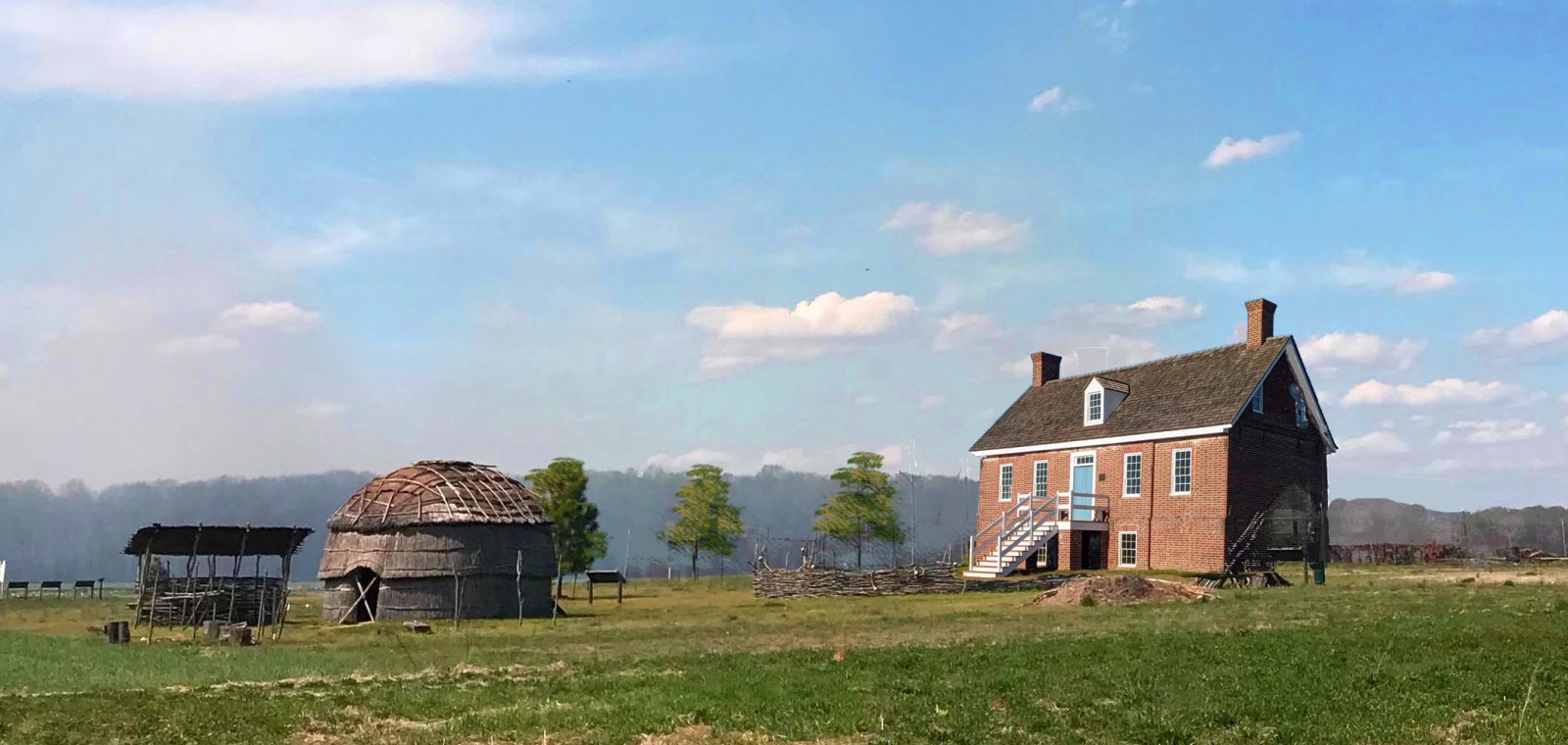
At Handsell Historic Site near Vienna, visitors can explore a place connected to three cultures: Native American people, early European settlers, and African Americans who were enslaved on the property. The site stands on land associated with Chicone, once a major Native American settlement along the Nanticoke River. Today, Handsell helps visitors think about history in layers — not as a single story, but as many stories connected to the same land.
The site includes a reconstructed Native American longhouse, gardens, walking areas, exterior views of the 18th-century Handsell house, interpretive signs, and a self-guided audio tour. While the house itself is generally open only for special events or tours, the grounds offer a meaningful way to experience one of Dorchester’s earliest and most complex historic landscapes.
Including Handsell in Dorchester’s America 250 story reminds us that the nation’s history did not begin with independence. It grew from older landscapes, Native communities, colonial settlement, forced labor, agriculture, trade, and generations of people whose lives were tied to the land and water.
Where to explore today:
Visit Handsell Historic Site near Vienna, where the grounds are open during daylight hours. Walk the property, step inside the reconstructed longhouse, listen to the audio tour, and learn more about the Native American, colonial, and African American stories connected to this historic site.
Water, work, and the Chesapeake way of life
Dorchester County’s story is also shaped by water.
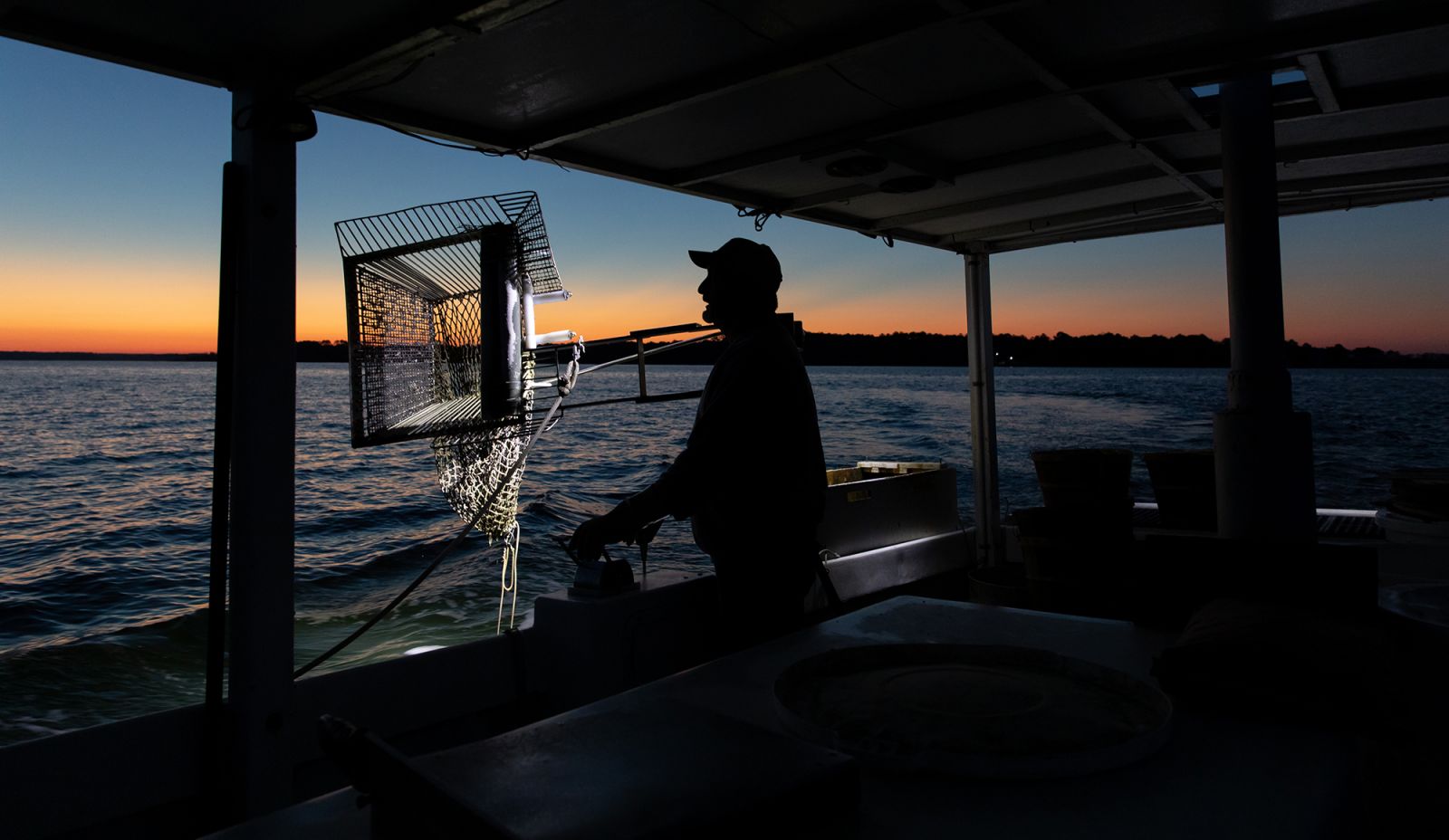
With rivers, creeks, marshes, and Chesapeake Bay shoreline, Dorchester has long been connected to the rhythms of the water. For generations, local watermen, boatbuilders, seafood workers, and maritime communities helped define life here. Crabbing, oystering, fishing, sailing, and boatbuilding were not only industries. They were ways of life, built on skill, endurance, family knowledge, and a deep understanding of the Chesapeake.
This is another way Dorchester reflects a larger American story. Across the country, regional landscapes shaped regional economies. In Dorchester, the water provided food, transportation, work, and identity. It connected local communities to markets beyond the county, while also creating traditions that remain deeply tied to place.
That heritage is still visible today. You can see it in working waterfronts, seafood restaurants, skipjack sails, small-town marinas, boat ramps, and stories passed down by people who know these waters well.
Where to explore today:
Visit the Richardson Maritime Museum in Cambridge to learn more about Dorchester’s boatbuilding and maritime heritage. Sail aboard the Skipjack Nathan of Dorchester, take a cruise on the Choptank Riverboat, or book a water-based experience with local outfitters. Walk along the Cambridge waterfront, visit the Choptank River Lighthouse, and make time for local seafood — one of the most delicious ways to connect with Dorchester’s working-water heritage.
Feeding a nation: farms, factories, and the Packing House
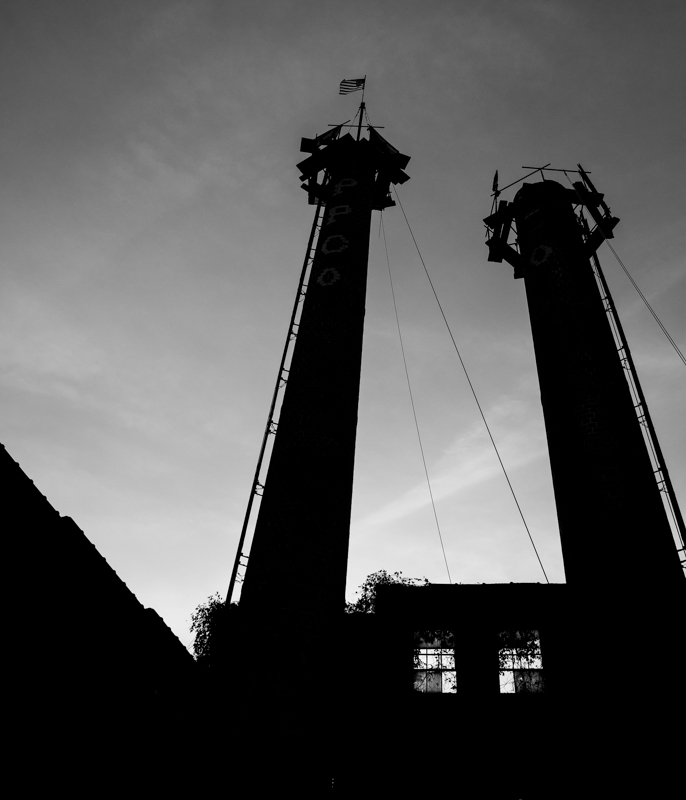 Dorchester’s history is also a story of farms, food, and industry.
Agriculture has long been part of life on the Eastern Shore. In the 20th century, Cambridge became known for food processing on a massive scale, especially through the Phillips Packing Company. At its height, Phillips was one of the largest canning operations in the world, and Cambridge earned a reputation connected to tomatoes, vegetables, seafood, and prepared foods shipped far beyond the county.
During wartime, that work became part of the national story. Phillips Packing Company helped supply food for the military, including rations for American troops. Local farms, factory workers, and food processors were connected to a much larger effort — one that reached from Dorchester County to battlefields overseas.
This history reminds us that America’s story is not only written in capitals, battlefields, and monuments. It is also written in fields, factories, packing houses, and the hands of people who grew, harvested, processed, packed, and shipped food.
Today, that legacy continues in a different form. The historic Packing House in Cambridge is being reimagined as a place for food, entrepreneurship, and community, connecting Dorchester’s industrial past to its future.
Where to explore today:
See the historic Packing House in Cambridge, a landmark tied to the county’s food-processing legacy. Visit local farmers markets in Cambridge, East New Market, and Vienna, or stop at farm markets and produce stands around the county. These present-day experiences connect visitors to a long tradition of agriculture, food, and community on Maryland’s Eastern Shore.
A border-state story: Dorchester and the Civil War
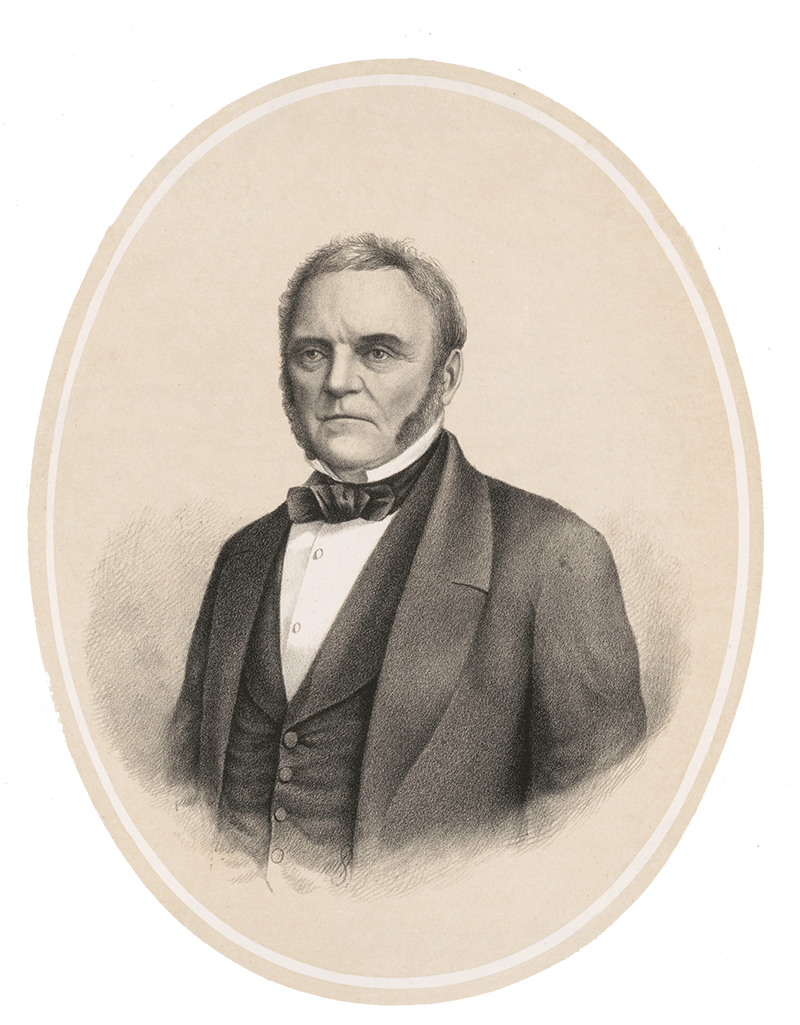 Dorchester’s Civil War story, like Maryland’s, is complicated.
Maryland was a border state, with deep divisions over slavery, secession, and loyalty to the Union. Thomas Holliday Hicks, who was born near East New Market in Dorchester County, served as Maryland’s governor during the outbreak of the Civil War. He played an important role in preventing Maryland from seceding from the Union.
His story is not simple. Hicks was a slaveholder and a Unionist. He reflected many of the contradictions of his time and place. But that complexity is exactly why this history matters. Dorchester’s story, like America’s story, includes difficult truths: slavery and freedom, loyalty and division, courage and compromise.
Including this history helps us understand that the nation’s path was never inevitable. Decisions made in states like Maryland, and by people connected to places like Dorchester County, helped shape the outcome of the Civil War and the future of the United States.
Where to explore today:
Visit East New Market, the historic town near where Thomas Holliday Hicks was born, and explore Cambridge Cemetery, where Hicks is buried. In Cambridge, walk through historic streets and neighborhoods that reflect layers of the county’s 19th-century history. For a broader understanding of the era, pair this story with visits to Harriet Tubman sites throughout Dorchester County.
The struggle for civil rights continued here
.jpg) The fight for freedom did not end with the Civil War.
The fight for freedom did not end with the Civil War.
A century after emancipation, Cambridge became one of the important places in the national civil rights movement. In the early 1960s, local activists challenged segregation, unequal access to jobs and housing, and discrimination in public accommodations. Gloria Richardson, a Cambridge native and leader of the Cambridge Nonviolent Action Committee, became one of the most prominent women in the civil rights movement.
The Cambridge Movement drew national attention. Demonstrations, confrontations, and negotiations here became part of the broader struggle that helped push the country toward civil rights reform.
This chapter is essential to Dorchester’s America 250 story. It shows that the pursuit of freedom and equality was not confined to one century or one generation. From Harriet Tubman’s journeys in the 19th century to the Cambridge Movement of the 20th century, Dorchester County has been connected to some of the nation’s most important freedom stories.
Where to explore today:
In Cambridge, explore Pine Street and nearby sites connected to African American history and the civil rights era. Visit the Harriet Tubman Museum & Educational Center, where local history, freedom stories, and community memory come together. Look for public art, exhibits, walking tours, and local programs that help connect visitors with Cambridge’s civil rights history.
History you can still feel
What makes Dorchester County’s history so meaningful is that it is still connected to place.
You can stand near marshes that evoke the landscape Harriet Tubman knew. You can walk along working waterfronts shaped by generations of watermen and boatbuilders. You can see the Packing House, where local labor became part of a national food story. You can visit small towns tied to Civil War history, and walk Cambridge streets connected to the civil rights movement.
America’s 250th anniversary is an invitation to look more closely at the places that shaped the nation. Dorchester County is one of those places.
Here, the American story is not only about famous names or distant events. It is about family, freedom, work, water, food, community, conflict, resilience, and change.
Dorchester’s story is America’s story. And this is a meaningful time to explore it.
Modal title